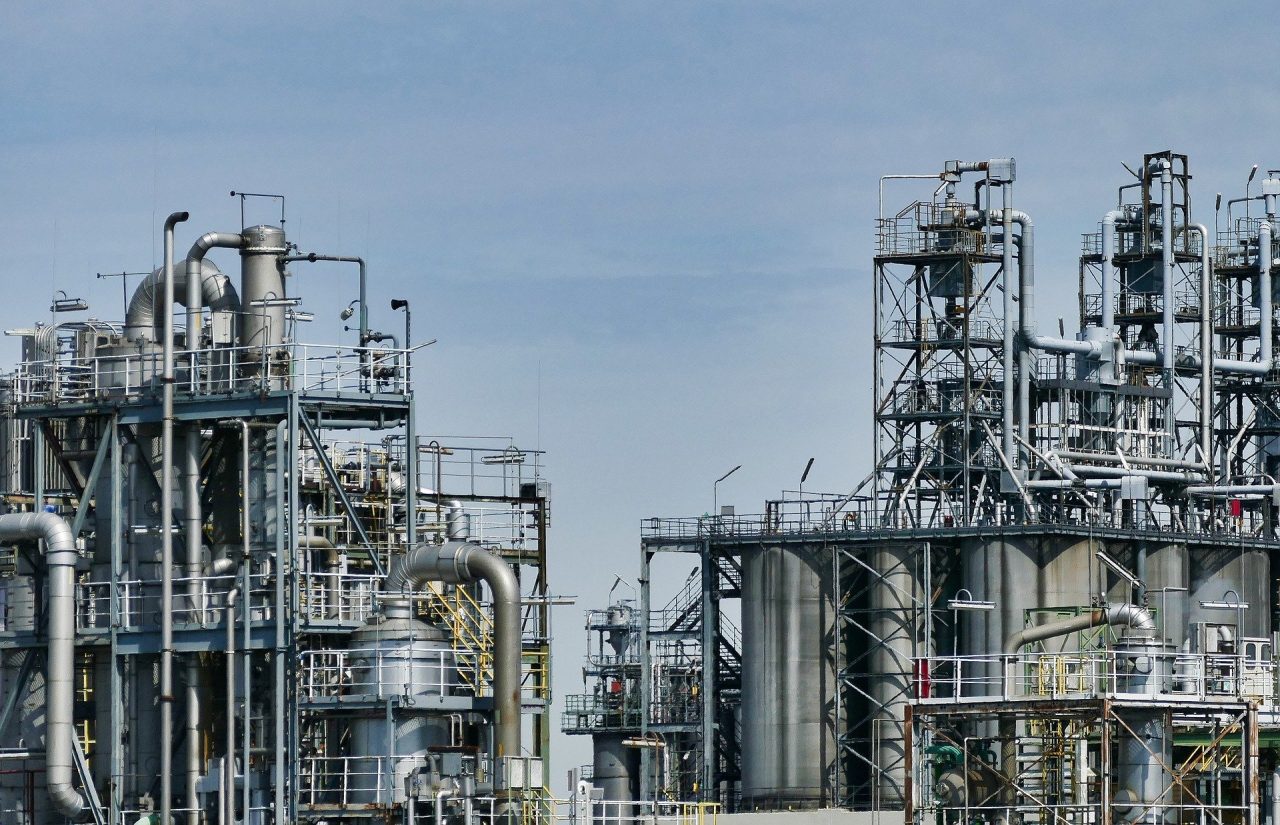
fire bulkhead according to DIN 4102 & LAR
We also test your fire doors (fire and smoke protection closures) with and without hold-open systems in accordance with DIN 14677-1.
A fire bulkhead, also known as a fire penetration seal, fire bulkhead or fire protection bulkhead, is a device that requires building authority approval to restore or maintain the fire protection of a corresponding building element.
Components that are subject to the generally applicable fire protection regulations - in the classic case walls and ceilings - must meet certain statutory requirements with regard to their fire resistance duration and fire protection effect. Flame-retardant and fire-resistant fire bulkheads are used here, which should generally have the same fire resistance and fire protection properties as the component itself. In the event of a fire, a qualified fire barrier prevents the further spread of fire and smoke to other fire compartments, rooms, storeys or parts of the building in accordance with its fire resistance class.
The fire resistance class corresponds to the number of minutes that the component can continue to fulfill its structural function in the event of a fire before it fails structurally:
- F30: Resistance time 30 minutes
- F60: resistance time 60 minutes
- F90: resistance time 90 minutes
- F120: resistance time 120 minutes
- F180: Resistance time 180 minutes
For fire bulkheads, we usually operate in the F30 to F120 ranges, i.e. between 30 and 120 minutes effective fire resistance.
When is a Fire
Barrier Needed?
Once a building component has been opened for the installation of supply lines, such as electrical cables, pipes, air ducts or water pipes, its fire protection integrity is no longer guaranteed and the prescribed fire protection requirements are no longer met. A new permanent seal to ensure optimum fire protection in the long term is therefore absolutely essential.
Other weak points that impair the fire resistance of a building component are openings in ventilation systems, air conditioning ducts and expansion joints or support elements.
What are the Basic Types of Fire Bulkheads and Other Fire Protection Devices?
The most common variant is the so-called soft bulkheads, which consist of mineral fiber boards with functional fire protection coatings. In the event of a fire, the latter form a sealing layer of foam through a chemical reaction, which counteracts the spread of flames and smoke. This proven type of fire protection is mainly used for highly flammable pipes, electrical cables and larger cable bulkheads.
Another option is the hard penetration seal, which consists of a special fire protection mortar and is mainly used to seal fire doors and fire dampers in solid ceilings or walls.
In construction practice, it is often unavoidable to lay cables and pipes in bundles and run them directly next to each other through a fire protection-qualified component due to a lack of space during installation. In such cases, a so-called combination penetration seal is used, which allows pipes with a certified pipe penetration seal to be routed through cable penetration seals of the same fire resistance class. The framework conditions for such combination penetration seals are precisely prescribed by law and are subject to strict requirements.
Fire protection also includes the fire protection of ventilation and air conditioning systems. For example, wall openings are fitted with sleeves and fire dampers, also known as fire dampers, and sealed with special fire protection mortar. The fire dampers close automatically as soon as the temperature inside the ventilation duct exceeds a certain limit, usually between 70 and 90 degrees Celsius, thus preventing the fire from spreading to other parts of the building in the event of a fire.
The necessary fire protection must also be provided for building elements made of glass, typically windows or glass doors. Special fire-resistant glazing is used for this purpose, which generally consists of a glass element, a frame and brackets, seals and fixing components that must meet certain fire resistance requirements. In accordance with DIN 4102-13, a distinction is made between G-glazing and F-glazing. Unlike F-glazing, G-glazing only prevents the spread of fire and smoke, but does not provide protection against heat.
Statutory Requirements for Quality Assurance
According to statistics, a house fire occurs every 2 to 3 minutes in Germany. Most of these are harmless fires, but they still claim around 400 lives every year. Reason enough to place high demands on fire protection.
Fire protection products of all kinds are therefore subject to strict quality requirements. All such products and materials must be labeled and documented as required by law. This labeling must include the name of the manufacturer, the exact designation of the fire protection system, the approval number and the year of manufacture. A building authority approval from the German Institute for Building Technology and a specialist contractor's declaration are mandatory for quality assurance.
Our products meet the highest quality standards and guarantee the best possible protection in the event of fire. Our trained team will be happy to provide you with comprehensive and competent expert advice and create a customized fire protection solution at any time!
Solutions for all Fire Protection Issues
In our wide range of products, we offer high-quality solutions for all aspects of fire bulkheads for every situation. Our range also includes the repair and reconditioning of existing fire bulkheads.
An overview of our range of services:
Hard, soft and combination bulkheads for electrical cables and pipes
- Mineral fiber bulkheads for cables
- Mortar bulkheads for cables
- Bandages for electrical cables and cable systems indoors and outdoors
- Cable boxes
- Penetration seals for combustible and non-combustible pipes
- Fiber-free penetration seals
- Combination penetration seals
- Pressure-tight penetration seals
- Watertight penetration seals and installation frames
- Penetration seals in accordance with LAR (pipe system directive)
- Special penetration seals
- Sound insulation
Fire protection solutions for ventilation and air conditioning systems
- Supply and installation of new fire dampers
- Mechanical mortaring and grouting of fire dampers
- Refurbishment of existing fire dampers
- Installation of independent ventilation and smoke extraction ducts
- Fire protection for kitchen exhaust air ducts with grease deposits
Fire protection solutions for joints
- Fire protection joints for solid components
- Expansion joints
- Shear joints